
Author: Zimbrick Hyundai Eastside
Welcome to your locally tailored maintenance guide for Madison drivers, brought to you by Zimbrick Hyundai Eastside. We know that navigating the roads around Madison, whether you're commuting along East Washington Avenue or enjoying a weekend drive to Waunakee, comes with its own set of challenges. Our decades of service experience in the community have equipped us with the knowledge to understand the specific needs of your Hyundai, factoring in the seasonal weather and driving conditions unique to our area, like the icy streets come winter or the busy traffic during the summer farmers' market. This guide is designed to help you keep your vehicle in top shape, ensuring it performs effortlessly on the routes that connect Madison to nearby cities like Sun Prairie, DeForest, and Janesville.
Why Should You Follow a Maintenance Schedule for Your Hyundai?
Adhering to a maintenance schedule is crucial for protecting your investment in a Hyundai and ensuring it performs reliably, especially in Wisconsin's unique climate. With the heat and humidity of summer and the heavy pollen that can fill the air in spring, your vehicle's fluids, belts, and filters face significant stress. For drivers navigating local routes like East Washington Avenue or commuting through the bustling streets of downtown Madison, regular service helps combat these challenges, keeping your Hyundai running smoothly.
By following the recommended service intervals, you not only enhance your vehicle's performance and fuel efficiency but also ensure your safety on the road. A well-maintained Hyundai is primed for quick trips to the Dane County Farmers’ Market or family outings to Olbrich Botanical Gardens. This commitment to maintenance means fewer breakdowns and greater peace of mind, knowing your vehicle can handle whatever the local environment throws its way. For more insights on vehicle care, resources like Edmunds offer a wealth of information.
How Does Hyundai’s Service Reminder System Work?
Many Hyundai vehicles offer a reminder when it's time for routine maintenance. This system prompts you to check the recommended service schedule for your vehicle.
When maintenance is approaching, drivers typically see notifications like a dashboard message or a service indicator. It's best to consult the owner’s manual for accurate details.
What Does the Primary Service Reminder Mean?
After understanding how service reminders work in general, the next step is knowing what the primary reminder is communicating to you. In most vehicles, the primary service reminder serves as a broad notification that scheduled maintenance is either due or approaching. Depending on the model and year, some Hyundai vehicles may show a simple message or indicator, while others may provide more detailed information through a maintenance screen or settings menu. To get the specifics on what maintenance is required, it’s best to consult your owner’s manual or the in-vehicle maintenance information.
Primary reminder: This is a general signal prompting you to review your vehicle’s scheduled maintenance recommendations and plan for service. It typically indicates that maintenance is due without detailing every specific item.
Additional details (if shown): In some vehicles, you may see extra information like a maintenance screen, percentages, descriptive messages, or symbols. If your vehicle offers these additional details, use them alongside the owner’s manual to confirm the recommended services.
What Do Additional Service Indicators Mean?
Many vehicles offer additional details beyond the primary service reminder. This information can appear as extra items, symbols, or menu entries, helping you understand what services may be due. It's important to note that not every Hyundai model displays these details, and the specifics can vary. Below are some common service indicators that certain vehicles might show. Always check your owner's manual or vehicle display for precise meanings.
- Tire rotation: Regular tire rotation promotes even tread wear and enhances handling. In areas like Madison, where stop-and-go traffic is common, tires may wear differently, making timely rotations essential.
- Engine and cabin air filters: The engine air filter ensures proper airflow to the engine, while the cabin air filter keeps the interior air quality fresh. Given the seasonal pollen and dust in the Madison area, these filters should be checked regularly.
- Transmission fluid: Keeping an eye on your transmission fluid is vital for long-term vehicle health. Frequent short trips in stop-and-go traffic can increase wear, so staying on top of this service is key.
- Spark plugs and valve clearance check (when applicable): Spark plugs may need replacing at specific intervals, and some engines also require a valve clearance inspection. These checks are typically more relevant for older models or those with higher mileage.
- Engine coolant: Coolant plays a crucial role in regulating engine temperature. Hot weather or extended highway driving, which is common during summer in Wisconsin, can put extra demands on your cooling system.
- Rear differential fluid (AWD/4WD, if equipped): For vehicles with all-wheel drive, maintaining the rear differential fluid is important. Driving in rain or on uneven surfaces, typical around Madison, can increase the need for this service.
- Brake fluid: Brake fluid can absorb moisture over time, affecting braking performance. If this appears on your service list, it’s important to adhere to the recommended intervals for your vehicle.
What is a Typical Hyundai Service Schedule for Madison Drivers?
Even if your vehicle provides service reminders or maintenance information in the dash/menu, it’s still helpful to understand the typical timing of maintenance milestones so you can plan ahead. The overview below is a general reference designed to complement your owner’s manual and any in-vehicle guidance (if equipped), and it accounts for common driving patterns in Wisconsin—like short trips, stop-and-go traffic on John Nolen Drive, steady highway driving, and seasonal temperature changes that can affect your vehicle's performance.
What Services Are Needed in the First 30,000 Miles?
During the initial 30,000 miles of ownership, most drivers encounter essential services: routine oil changes, tire rotations, and air filter maintenance. The timing of these services can vary based on your specific Hyundai model, driving habits, and recommendations found in the owner's manual.
Oil service: Generally, oil changes might be needed periodically, particularly under lighter driving conditions. If your daily commute includes a lot of stop-and-go traffic, like that on Madison's East Washington Avenue or near the University of Wisconsin–Madison, you might find that oil services come up more frequently.
Tires and filters: Tire rotations are often scheduled early in ownership to ensure even wear. Additionally, engine and cabin air filters should be checked regularly, especially given the pollen and dust prevalent in the Madison area.
What Maintenance Should Be Done Between 30,000 and 60,000 Miles?
Between 30,000 and 60,000 miles, maintenance often shifts from basic upkeep to protecting key systems through fluid services and more frequent inspections. The specific timing of these services can vary depending on your Hyundai model, powertrain, and driving habits, so it’s crucial to consult your owner’s manual and any in-vehicle maintenance instructions for personalized guidance.
Transmission fluid: It's important to ensure the transmission fluid remains clean and at the proper level to support smooth shifting and prolong the longevity of this complex system.
Brake fluid, brakes, and tires: Regular inspections of your brakes and tires are important for maintaining safe handling and reliable stopping power, especially during wet weather on roads like Monona Drive or while cruising along U.S. Highway 151. For insights into vehicle reliability and owner experiences, you can refer to Consumer Reports.
What Major Services are Required Approaching 100,000 Miles?
As your Hyundai approaches the 100,000-mile mark, several significant maintenance tasks come into focus that are crucial for maintaining your vehicle's longevity. The exact timing for these services can vary depending on the specific model and engine type, so it's essential to consult your owner's manual and any in-vehicle maintenance notifications for details relevant to your car.
Spark plugs: It's common for vehicles to require spark plug replacements around this mileage, depending on the engine design. Fresh spark plugs help ensure your engine runs smoothly, improves fuel efficiency, and enhances overall reliability. This is particularly beneficial for drivers in Madison who experience variable weather and driving conditions.
Timing belt (if equipped) and coolant service: Some older engines may have a timing belt that requires replacement, while many newer engines use timing chains that typically don’t need routine replacement. Additionally, regular coolant service, which includes flushing and replacing old coolant, is vital for protecting your engine from overheating and corrosion over time. Staying diligent about these services not only supports your vehicle's performance but can also enhance its resale value—check out Kelley Blue Book for insights on how proper maintenance impacts long-term vehicle value.
Why is Local Expertise Important for Servicing Your Hyundai?
Understanding the local environment is crucial for maintaining your Hyundai effectively. In Madison, heat and humidity can put extra strain on your vehicle’s air conditioning and engine systems, while the fine residues from spring pollen can clog air filters. Additionally, the mix of urban traffic patterns on streets like East Washington Avenue and the rural routes around Sun Prairie means that wear and tear can occur differently here than in other regions. Our technicians at Zimbrick Hyundai Eastside are well-versed in these specific conditions, ensuring that they can anticipate and address region-specific issues that may arise.
By keeping an eye on these local factors, our service team can provide targeted maintenance that enhances the longevity and performance of your Hyundai. For more information on automotive safety and maintenance, check out the National Highway Traffic Safety Administration (NHTSA) resources.
Frequently Asked Questions (FAQs)
How often should I change my oil in Madison's climate?
Your vehicle's service reminder or owner's manual provides the best guidance, but for Madison’s varying weather, most drivers find regular oil changes beneficial, depending on their driving style and oil type.
Are all-season tires suitable for driving around Madison?
High-quality all-season tires are generally effective for most of the year in Madison, handling everything from summer rain to light winter snow, especially when navigating local roads like East Washington Avenue or John Nolen Drive.
Does commuting on busy Madison highways affect my service intervals?
Yes, frequent stop-and-go traffic, especially on the Beltline, can increase wear on your vehicle, potentially leading to more frequent service needs. If your vehicle has a service reminder system, it may adjust intervals based on your driving habits.
How often should I change my cabin air filter in this area?
Inspecting your cabin air filter annually is a good idea, particularly after the spring pollen season. Many drivers in Madison find that regular replacement ensures cleaner air and keeps the A/C running efficiently.
Is AWD a worthwhile investment for Madison drivers?
AWD can be a significant advantage during snow and icy conditions in Madison winters, enhancing traction and stability on slippery roads, giving you peace of mind while navigating local neighborhoods or heading out to Olbrich Botanical Gardens.
What maintenance schedule should I follow for older vehicles without a service reminder?
If your older Hyundai lacks a service reminder, a good rule of thumb is to follow regular oil change intervals. Always refer to your owner's manual for specific service intervals on filters and fluids.
About Zimbrick Hyundai Eastside
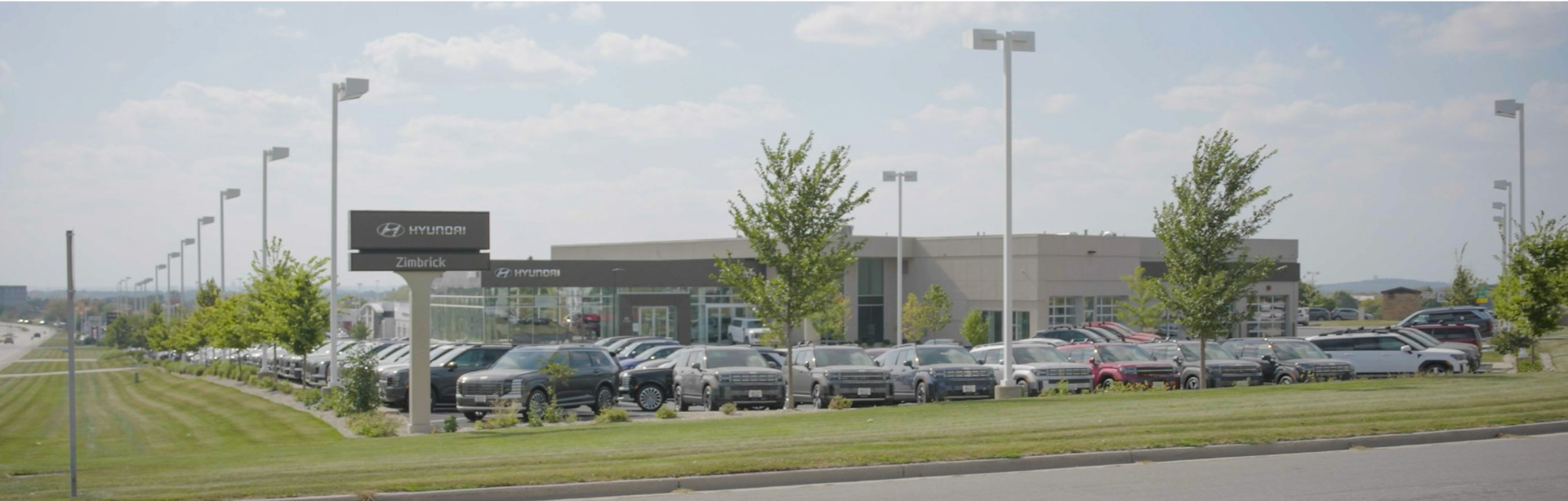
At Zimbrick Hyundai Eastside, we are dedicated to providing an exceptional car buying and service experience. As a family-owned business since 2006, our team includes five Hyundai Master Technicians to ensure your vehicle receives expert care. We are honored to be a Best of Madison Gold Winner for both Best Auto Dealer and Best Auto Service. Our commitment extends to our community through our longstanding support for the United Way of Dane County. Trust our award-winning team for all your automotive needs, from transparent no-haggle pricing to outstanding service.